
Quebec Regulators Can Now Order Deepfake Ads Offline
By Julius Melnitzer | August 19, 2026 The Bill confers a new power to issue orders usually reserved for courts of law, allowing the regulator to intervene at any time before a ruling and order the cessation of a representation falsely linked to an individual, in accordance with the principles of procedural fairness. — Thomas Chagnon […]
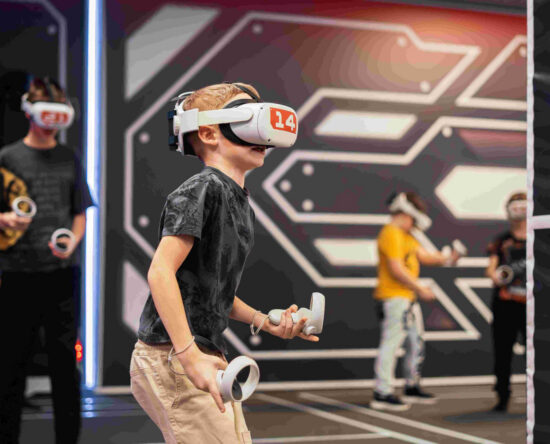
IP Rights in VR and AR Gaming
By Julius Melnitzer | August 18, 2026 “A common issue in VR gameplay arises when a headset receives images and media streams from, and transmits user-movement data to, a remote server rather than processing everything locally. That round trip creates latency. An invention that reduces that latency or computing demand may provide a patentable technical […]

The Value Is in the IP: Protecting Australian Agritech’s Real Asset
By Julius Melnitzer | July 31, 2026 Once the product is out in the field, the marginal cost of copying it is close to zero. That’s a textbook appropriability problem, and it’s more acute here than in most tech sectors — Dr Chris Vindurampulle Few industries are as woven into Australia’s economy and identity as agriculture, […]

Dissecting Intangible Assets’ Market Dominance
By Julius Melnitzer | July 9, 2026 A vast spectrum of industries now counts intangible property as a major part of their value — Matthew Zischka Ocean Tomo’s Intangible Asset Market Study for 2025 revealed that intangible assets constituted approximately 92 percent of S&P 500 market capitalization by year’s end. That represents a 75 percentage point shift from […]
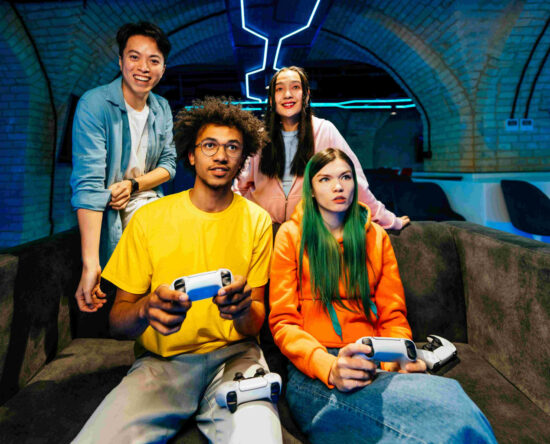
AI Disruption in the Gaming Industry: An IP Perspective
By Julius Melnitzer | June 15, 2026 AI models have helped studios create [a host of gaming elements] or helped to create them faster and more efficiently, but they have also created uncertainty regarding IP issues, including ownership, authorship, infringement, and responsibility — Gurbir Sidhu From an intellectual property (IP) perspective, the emergence and evolution of […]

IP & Video games: Lots to protect
By Julius Melnitzer | June 8, 2026 Most video games entrepreneurs think about copyright or trademarks, and many don’t realize that IP protection in this sector can extend much further, such as, patents for technical systems, trade secrets for backend tools and data, design rights for interfaces, and contracts governing AI tools, user-generated content, vendors, […]

How Agentic Prior Art Searches Have Changed Patent Practice
“What stands out about agentic technology is the extent to which it has allowed penetration of a system that has so frequently seemed impenetrable.” — David Hughes It’s no surprise, perhaps, that the advent of AI-driven agentic prior art searches marks a turning point in patent law practice. How, after all, were mere humans going to […]
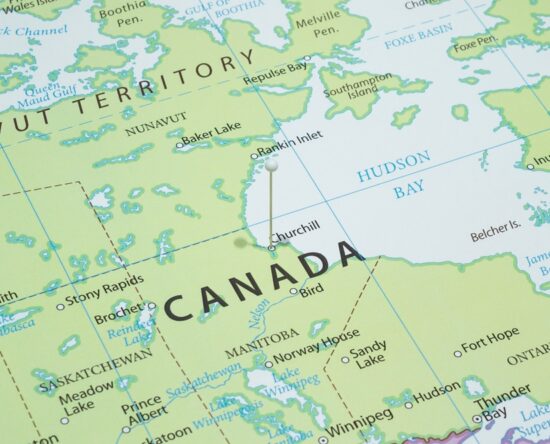
Fair Dealing: The Canadian Context
By Julius Melnitzer | May 11, 2026 “In Canada, fair dealing is a creature of statute with a closed list of eligible purposes. Courts have described it as a ‘users’ right’ that provides a ‘fsafety valve’ on the monopoly of copyright.” — Tamara Céline Winegust Canada, Australia, New Zealand, Hong Kong, China and most of Southeast […]
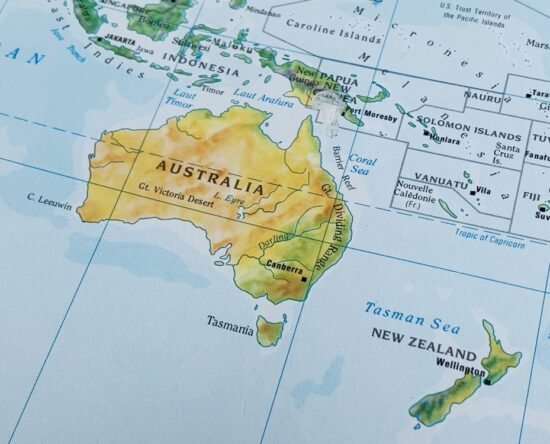
Fair Dealing: The Australian Context
“The fair dealing exception in Australia is limited to the purpose-based exceptions listed in the Copyright Act. If a use doesn’t fall within a listed purpose, fair dealing simply does not apply, regardless of fairness.” — Katrina Crooks By Julius Melnitzer | May 8, 2026 Australia’s iteration of the “fair use” doctrine — called “fair dealing”— […]

Can AI Prompts Attract Copyright?
By Julius Melnitzer | April 7, 2026 AI prompts may seem like new territory for the law, but in the end the very old principles that define originality work just fine — Vincent Bergeron For all the growing ubiquity of artificial intelligence in our society, its relationship to the law is still nascent. Although AI is […]